
Why Healthy Meals Are the Cornerstone of Fat Loss?
Losing weight is not just about eating less it’s about eating smarter. Studies consistently show that calorie restriction without quality nutrition can lead to muscle loss, nutrient deficiencies, and decreased metabolic rate. Healthy meals for weight loss provide:
- Sustained energy throughout the day
- Satiety to prevent overeating
- Micronutrients that support metabolism, immunity, and mental focus
In fact, research indicates that those who follow a balanced, nutrient-rich diet are more likely to maintain long-term fat loss compared to fad dieters or extreme restrictions.
💡 Pro Tip: Your weight loss journey becomes easier when meals are planned, satisfying, and scientifically optimized.
Macronutrients for Effective Fat Loss:
A healthy weight loss meal isn’t just “low calorie”; it’s balanced for macronutrients. Here’s how each plays a critical role:
Protein: The Fat Loss Powerhouse:
Protein helps:
- Preserve lean muscle mass while losing fat
- Increase satiety, reducing cravings
- Boost metabolism due to the thermic effect of food
Top Sources: Chicken breast, turkey, salmon, eggs, Greek yogurt, lentils, tofu, legumes
💡 Tip: Aim for 0.8–1.2 grams of protein per pound of body weight for fat loss.
Complex Carbohydrates: Fuel Without Fat:
Not all carbs are enemies. Complex carbohydrates provide:
- Steady energy for workouts
- Fiber for fullness and gut health
- Blood sugar stabilization to avoid energy crashes
Top Sources: Oats, quinoa, brown rice, sweet potatoes, legumes
💡 Tip: Pair carbs with protein and fiber to maximize satiety.
Healthy Fats: Essential & Satiating:
Fats are essential for:
- Hormone production (especially fat-burning hormones)
- Absorption of fat-soluble vitamins (A, D, E, K)
- Satiety, reducing snacking
Top Sources: Avocado, olive oil, nuts, seeds, fatty fish
💡 Tip: Incorporate 1–2 servings of healthy fats per meal for balance.
Micronutrients & Fiber: The Hidden Fat Loss Helpers:
- Fiber-rich vegetables and fruits promote fullness and gut health
- Micronutrients like magnesium, vitamin D, and potassium support metabolism and energy production
💡 Tip: Every meal should contain at least one colorful vegetable.
Meal Timing & Portion Control:
While food quality is paramount, timing and portioning play a critical role:
- Meal Frequency: 3–5 meals per day works for most, but intermittent fasting may suit some
- Portion Sizes: Using plate method (½ vegetables, ¼ protein, ¼ carbs) ensures macro balance without counting calories obsessively
- Snacks: Healthy snacks prevent binge eating; combine protein + fiber
💡 Pro Tip: Eating slowly and mindfully helps hormones signal fullness effectively.
High-Impact Foods to Include in Every Meal:
Incorporate foods that maximize fat loss without compromising flavor or satiety:
- Leafy greens: Spinach, kale, romaine
- High-quality proteins: Chicken, turkey, fish, eggs
- Berries: Antioxidant-rich, low-calorie
- Legumes: Lentils, beans — high protein + fiber
- Whole grains: Quinoa, oats, brown rice
- Healthy fats: Olive oil, avocado, nuts
💡 Pro Tip: Combine thermogenic spices like chili, cinnamon, and turmeric to slightly boost metabolism.
Science-Based 7-Day Healthy Meal Plan:
Here’s a fully actionable, weekly meal plan designed for fat loss, energy, and convenience. Each meal balances macros and micronutrients.
| Day | Breakfast | Lunch | Dinner | Snack |
|---|---|---|---|---|
| Mon | Greek yogurt + berries + oats | Grilled chicken salad with quinoa | Baked salmon + roasted broccoli | Almonds + apple slices |
| Tue | Scrambled eggs + spinach + tomato | Tuna salad wrap with whole grain tortilla | Turkey stir-fry + brown rice | Cottage cheese + cucumber sticks |
| Wed | Protein smoothie with banana & peanut butter | Lentil soup + side salad | Chicken breast + roasted sweet potatoes | Roasted chickpeas |
| Thu | Overnight oats with chia seeds | Grilled shrimp + quinoa + veggies | Beef stir-fry + bok choy | Greek yogurt + berries |
| Fri | Omelet with mushrooms & spinach | Turkey burger lettuce wrap + avocado | Baked cod + roasted asparagus | Almonds + carrot sticks |
| Sat | Avocado toast + poached eggs | Chickpea salad + cucumber | Grilled chicken skewers + brown rice | Protein shake |
| Sun | Protein pancakes with berries | Quinoa salad + roasted veggies | Salmon + steamed broccoli + sweet potato | Mixed nuts + orange |
💡 Pro Tips:
- Prep ingredients in bulk to save cooking time
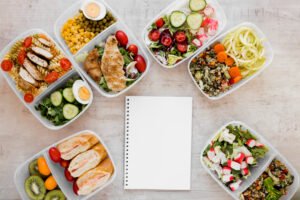
- Store meals in airtight containers for grab-and-go convenience
- Adjust portion sizes depending on activity level and calorie needs
Shopping List for the Week:
- Proteins: Chicken breast, turkey, salmon, eggs, tuna, lentils, chickpeas
- Vegetables: Spinach, kale, broccoli, bell peppers, tomatoes, cucumbers, asparagus, mushrooms
- Carbs: Quinoa, brown rice, sweet potatoes, oats
- Fruits: Berries, banana, apple, orange
- Fats: Almonds, olive oil, avocado, peanut butter
- Pantry: Chia seeds, spices (turmeric, chili, cinnamon), whole grain wraps
💡 Tip: Stick to whole, minimally processed foods for the best results.
Common Pitfalls That Slow Fat Loss:
Many people sabotage progress without realizing it. Common mistakes include:
- Skipping meals: Slows metabolism and increases hunger
- Over-restricting calories: Leads to nutrient deficiencies and rebound overeating
- Hidden sugars in “healthy” foods: Granola bars, flavored yogurts, and sauces
- Neglecting protein: Leads to muscle loss and reduced fat-burning
✅ Fix: Track macros initially, focus on whole foods, and plan meals in advance.
💡 Internal Link: Read more in Healthy Eating Mistakes That Slow Weight Loss for detailed guidance.
Practical Meal Prep & Cooking Tips:
- Batch cook proteins on weekends: chicken, turkey, fish
- Roast vegetables in bulk; store in containers for the week
- Use versatile staples: Quinoa, oats, and beans can be repurposed in multiple meals
- Flavor without calories: Use herbs, spices, lemon juice, and low-sodium sauces
- Hydrate: Water, herbal teas, and black coffee aid metabolism and fullness
💡 Pro Tip: Portion meals immediately after cooking to prevent overeating and simplify weekday routines.
How to Track Progress Effectively:
- Food journal: Note meals and feelings of fullness
- Body measurements: Track waist, hips, and weight weekly
- Adjust macros: If fat loss plateaus, tweak protein or carb intake
- Consistency > Perfection: Missing one meal is not a failure; long-term habits matter
Read Also:
- High Protein Healthy Meals for Fat Loss → for protein-focused meals
- Cheap Healthy Meal Prep Ideas → budget-friendly strategies
- 7-Day Healthy Meal Plan → detailed execution plan
- Foods That Burn Fat Faster → thermogenic food guide
- Healthy Eating Mistakes That Slow Weight Loss → pitfalls to avoid
- Best Healthy Snacks for Weight Loss → on-the-go snacks
- How to Build a Balanced Healthy Meal → plate method & portioning
Conclusion: Make Healthy Eating Sustainable
Sustainable fat loss comes from smart food choices, meal planning, and consistency. By following science-based principles, leveraging high-impact foods, and using a structured weekly plan, you can:
- Preserve muscle while losing fat
- Increase energy and focus
- Avoid common diet pitfalls
- Make fat loss enjoyable, not restrictive
- 💡 Final: Start your journey today — plan, prep, and enjoy delicious, high-protein, nutrient-rich meals. Upgrade your kitchen with the tools and containers that make healthy eating effortless!
Last update: 09/03/2026